A Continuously Variable Transmission (CVT transmission) is revolutionizing the way vehicles deliver power, offering smoother driving, improved fuel efficiency, and advanced performance over traditional automatic or manual gearboxes. Whether you’re a car enthusiast, a daily commuter, or someone considering their next vehicle purchase, understanding CVT transmissions is crucial. This guide provides a comprehensive overview of CVT technology, its advantages, common issues, and practical maintenance tips. By the end of this article, you’ll gain actionable insights into how CVT transmissions work, how to identify potential problems, and how to extend the lifespan of your transmission system. Our approach combines expert automotive knowledge with practical advice to help you make informed decisions.
What is a CVT Transmission?
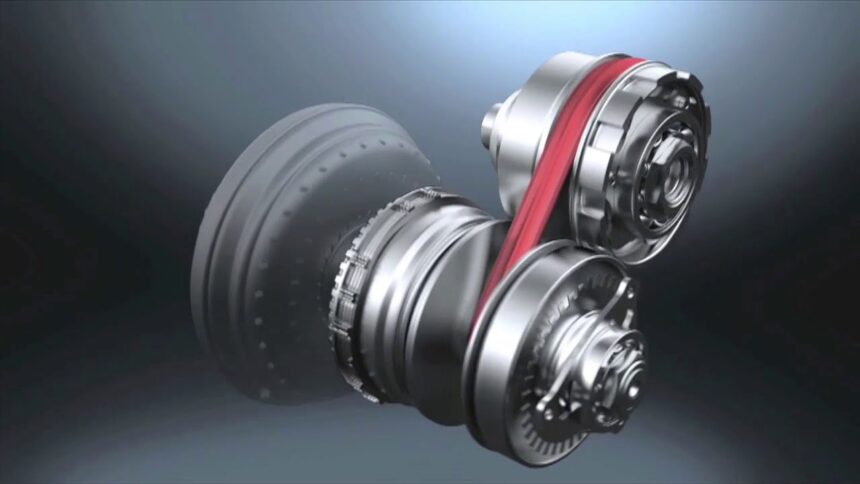
A CVT transmission is a type of automatic transmission that doesn’t rely on fixed gears. Instead, it uses a system of pulleys and a steel or rubber belt to provide an infinite range of gear ratios. This allows the engine to run at its most efficient RPM for various driving conditions, optimizing performance and fuel economy. Unlike conventional automatic transmissions, a CVT ensures smoother acceleration without the shift shock typically felt in traditional gearboxes.
How Does a CVT Transmission Work?
CVT transmissions employ two primary pulleys: the drive pulley connected to the engine and the driven pulley connected to the wheels. A steel or reinforced rubber belt transfers power between these pulleys. By continuously adjusting the pulley diameters, the CVT can change the gear ratio seamlessly, allowing the vehicle to accelerate efficiently without discrete gear shifts.
Key NLP Entities to Note: CVT belt, CVT pulleys, engine efficiency, seamless acceleration, automatic transmission alternatives.
Benefits of a CVT Transmission
Understanding the advantages of a CVT transmission can help drivers decide if this technology fits their driving style and vehicle needs.
1. Improved Fuel Efficiency
CVT transmissions allow the engine to operate at optimal RPMs, reducing fuel consumption compared to traditional automatics. This feature is especially beneficial for city driving and stop-and-go traffic.
2. Smooth and Seamless Acceleration
Because there are no gear shifts, CVT transmissions deliver continuous and smooth acceleration, making the driving experience quieter and more comfortable.
3. Reduced Mechanical Stress
The absence of fixed gears reduces wear and tear on the transmission components, potentially extending the lifespan of the system when maintained correctly.
4. Enhanced Performance and Engine Response
CVTs can quickly adjust gear ratios to match driving conditions, providing better throttle response and improved performance, especially in hybrid and electric vehicles.
Semantic NLP Keywords: fuel-efficient transmission, seamless driving experience, hybrid vehicle transmission, automatic gearbox alternatives.
Common Problems with CVT Transmissions
Despite their advantages, CVT transmissions are not without challenges. Awareness of these issues can prevent costly repairs.
1. Overheating
CVT systems are prone to overheating under extreme conditions or when carrying heavy loads. Regular fluid checks and cooling system maintenance are essential to prevent damage.
2. Belt or Chain Wear
The steel or rubber belt in a CVT can wear over time, especially if the vehicle is driven aggressively. Signs include slipping, jerking, or unusual noises during acceleration.
3. Software or Sensor Malfunctions
Modern CVT transmissions rely heavily on electronic control units (ECUs) and sensors. Faulty software or sensors can cause erratic shifting behavior or trigger warning lights.
4. High Repair Costs
CVT repairs can be more expensive than traditional automatic transmissions due to the complexity of the system and specialized components.
People Also Ask Targeting: Why does my CVT transmission shake? How long does a CVT transmission last?
CVT Transmission Maintenance Guide
Proper maintenance is critical to extending the life of your CVT transmission.
1. Regular Fluid Changes
CVT fluid is different from traditional automatic transmission fluid. Follow manufacturer guidelines for replacement intervals, typically every 40,000–60,000 miles. Using the wrong fluid can cause severe damage.
2. Avoid Overloading and Aggressive Driving
Excessive weight and aggressive driving habits can accelerate wear on the belt and pulleys. Smooth driving improves lifespan and performance.
3. Monitor for Early Warning Signs
Pay attention to unusual noises, slipping, or delayed acceleration. Early detection of problems can prevent major repairs.
4. Keep Software Updated
Some CVTs have software updates from manufacturers that improve shifting logic and reduce transmission wear. Check with authorized dealers for updates.
5. Professional Inspections
Schedule routine inspections with a certified mechanic who has experience with CVT systems. Specialized diagnostics can detect potential issues before they become costly repairs.
Semantic NLP Entities: CVT fluid, transmission belt maintenance, pulley inspection, electronic transmission control, preventive car care.
CVT vs. Traditional Automatic Transmission
| Feature | CVT Transmission | Traditional Automatic |
| Gear Type | Continuously variable | Fixed gears |
| Fuel Efficiency | Higher, optimal RPM | Moderate |
| Acceleration | Smooth, seamless | Noticeable shift points |
| Maintenance | Specialized, requires CVT fluid | Conventional, widely available |
| Durability | Sensitive to misuse | Generally robust |
CVT transmissions excel in fuel efficiency and smooth driving, whereas traditional automatics are more familiar and may be cheaper to maintain. Your choice depends on driving habits, vehicle type, and maintenance willingness.
Final Thoughts
A CVT transmission represents a significant advancement in automotive technology, offering unmatched fuel efficiency, smooth driving, and adaptive performance. While common issues like overheating, belt wear, or software malfunctions can arise, proper maintenance and timely inspections ensure long-lasting reliability. By understanding how CVT transmissions work, recognizing warning signs, and following manufacturer-recommended care, drivers can enjoy optimal performance while minimizing repair costs. Whether you’re considering a new vehicle or maintaining your current one, mastering CVT technology ensures a smarter, more efficient driving experience.
Stay informed and proactive—schedule regular CVT maintenance, monitor for early signs of wear, and keep your vehicle running at peak efficiency.
GForce Security delivers professional protection solutions across commercial, residential, healthcare, and retail sectors throughout Ontario and British Columbia. Our specialized Office Facilities Security ensures safe and controlled workplace environments, while our dedicated Parking Enforcement Services help maintain order and compliance in private properties. We also provide compassionate Long Term Patient care security for healthcare facilities requiring constant supervision. Businesses rely on our proactive Mobile Patrol Security supported by a fully equipped Security Operations Centre for 24/7 monitoring and rapid emergency response. From dependable Residential Security Services to advanced Warehouse Security Services, we protect assets, employees, and communities with trained professionals. Our certified Fire Watch Guard teams offer immediate support during fire system failures, and our experienced staff handle Mall Security Services and premium Concierge Security Service solutions for high-traffic properties.
With a strong regional presence, we proudly provide professional security coverage in Vaughan Ontario Canada, trusted guard services in Mississauga Ontario Canada, comprehensive protection across Toronto Ontario Canada, reliable teams in Brampton Ontario Canada , and dependable services throughout Hamilton Ontario Canada. We also extend our expertise to businesses in Kelowna British Columbia and Burnaby British Columbia, ensuring consistent, high-quality protection wherever our clients operate.