What is CRM? A Simple Guide for Beginners
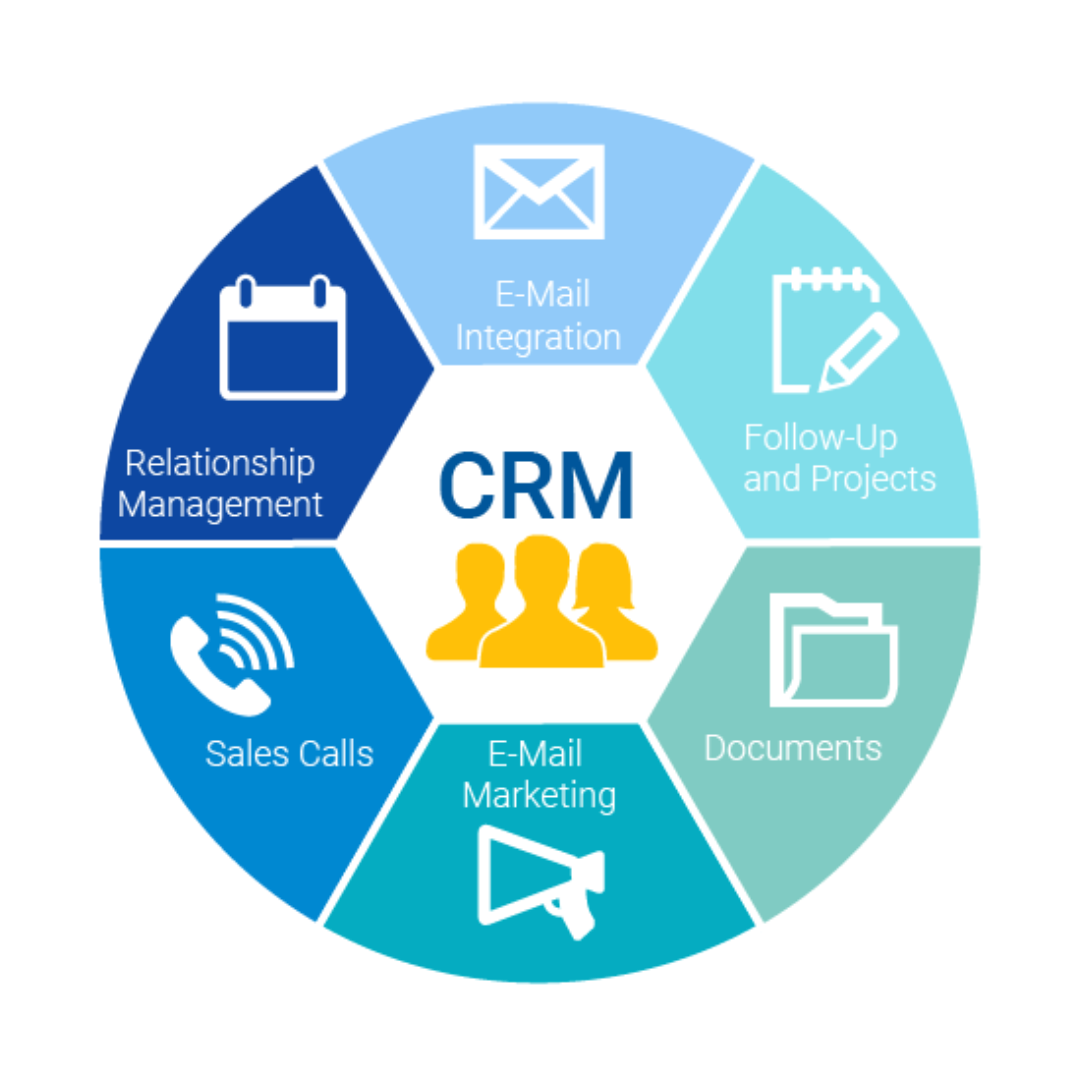
CRM stands for Customer Relationship Management. It is a system that helps businesses manage their customers, sales, and communication in one place.
Think of CRM like a smart digital notebook that remembers everything about your customers — their names, emails, orders, conversations, and needs. This helps companies give better service and build strong relationships.
Today, almost every modern business uses CRM to grow faster and stay organized.
Why is CRM Important?
Without CRM, companies may lose customer information, forget follow-ups, or make mistakes in communication.
CRM helps businesses:
-
Keep customer data safe and organized
-
Improve customer service
-
Increase sales
-
Save time with automation
-
Understand customer behavior
In simple words, CRM helps companies treat customers better — and happy customers bring more business.
Key Characteristics of CRM
A good CRM system has several important features.
1. Customer Data Management
CRM stores all customer details in one place:
-
Name
-
Contact info
-
Purchase history
-
Messages
-
Preferences
This helps teams quickly understand each customer.
2. Sales Tracking
CRM tracks every step of the sales process:
-
Leads
-
Follow-ups
-
Deals
-
Payments
Sales teams can see what is working and what needs improvement.
3. Automation
CRM can automatically:
-
Send emails
-
Set reminders
-
Schedule tasks
-
Update records
Automation saves time and reduces human errors.
4. Reporting and Analytics
CRM provides charts and reports that show:
-
Sales performance
-
Customer trends
-
Marketing success
This helps companies make smart decisions.
5. Communication Tools
CRM improves teamwork by allowing teams to share notes and updates about customers.
Everyone stays informed.
Benefits of Using CRM
CRM is not just software — it is a growth tool.
Better Customer Service
Employees can quickly see customer history and solve problems faster.
Increased Sales
CRM helps sales teams follow up on leads and close deals efficiently.
Strong Customer Relationships
When customers feel understood, they stay loyal.
Time Saving
Automation reduces manual work.
Improved Organization
No more lost emails or forgotten tasks.
Uses of CRM in Different Industries
CRM is useful in many industries. Let’s see how:
Retail Industry
Stores use CRM to:
-
Track customer purchases
-
Send discounts
-
Improve loyalty programs
Healthcare Industry
Hospitals use CRM to:
-
Manage patient records
-
Schedule appointments
-
Improve patient communication
Education Industry
Schools and colleges use CRM to:
-
Manage student data
-
Track admissions
-
Communicate with parents
Real Estate Industry
Agents use CRM to:
-
Manage property leads
-
Follow up with clients
-
Close deals faster
Banking and Finance
Banks use CRM to:
-
Track customer accounts
-
Offer personalized services
-
Improve trust
How CRM Helps Businesses Grow
CRM helps businesses understand their customers deeply. When a company knows what customers want, it can provide better products and services.
Better service = happy customers
Happy customers = more growth
That is why CRM is a powerful tool for long-term success.
Conclusion
CRM is a smart system that helps businesses manage customer relationships, increase sales, and improve service. Its features like automation, data management, and analytics make companies more efficient.
No matter the industry, CRM helps organizations grow and build strong customer trust.
In today’s digital world, using CRM is not a luxury — it is a necessity.